BJP FOUNDATION DAY SPECIAL : ENGLISH & PUNJABI
Jaibans Singh
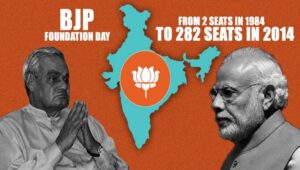
The journey of the Bharatiya Janata Party (BJP), observed annually on its Foundation Day (6 April), is one of the most remarkable transformations in modern democratic politics. From its ideological beginnings in the early years of independent India to becoming the dominant force in national politics, the BJP’s evolution reflects shifts in political culture, leadership, and voter aspirations.
The Founding of the Jan Sangh
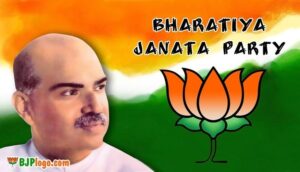
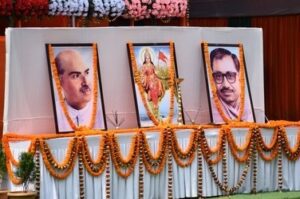
The ideological roots of the BJP lie in the establishment of the Bharatiya Jana Sangh in 1951 by Shri Syama Prasad Mookerjee. The party was formed with the support of the Rashtriya Swayamsevak Sangh (RSS), with the objective of providing a nationalist alternative to the dominant Indian National Congress.
Mukherjee resigned from the Union Cabinet on 8 April 1950 over a disagreement about the pact between Nehru and Pakistani prime minister Liaquat Ali Khan that facilitated establishment of minority commissions and guarantee of minority rights in both countries. He believed that it left Hindus in East Bengal to the mercy of Pakistan. Mukherjee was also against the abrogation of Article 370 that gave a special status to Jammu and Kashmir. He fought against it inside and outside the parliament. One of the goals of Bharatiya Jana Sangh being its abrogation.
The Jana Sangh espoused cultural nationalism, economic self-reliance, and strong national unity. Leaders like Deendayal Upadhyaya articulated the philosophy of Integral Humanism, which later became foundational to BJP ideology.
Integral Humanism is a philosophy proposing a “uniquely Indian” approach to development, balancing individual needs with societal, natural, and spiritual harmony. It critiqued both Western capitalism and communism for neglecting the holistic human being,
Jan Sangh Replaced with BJP?
The Bharatiya Jana Sangh joined the Janata Party on its formation in 1977. The Janata Party proved to be a fragile coalition of diverse political groups. After the collapse of the Morarji Desai government in 1979 and a poor performance in the 1980 elections, the coalition became more unstable. Following the election defeat, the National Executive of the Janata Party, on April 4, 1980, formally banned its members from maintaining dual membership with the RSS. On April 6, 1980, former Jana Sangh leaders, including Atal Bihari Vajpayee and L.K. Advani, met at the Feroz Shah Kotla ground in New Delhi. They resolved that they would not sever ties with the RSS, leading to the decision to leave the Janata Party.
BJP: Formation and Founding Declaration
The BJP was formally established on 6 April 1980 in Delhi. Atal Bihari Vajpayee JI became its first president.
At its founding, Vajpayee emphasized “Gandhian socialism,” as a guiding principle thus signaling a moderate and inclusive approach. He declared that the party would pursue democratic values, national unity, and social justice—attempting to broaden its appeal beyond core ideological supporters
Early Years and Relationship with RSS
In its first five years, the BJP struggled electorally but remained organizationally grounded due to its strong link with the RSS. The RSS provided cadre strength, ideological training, and grassroots mobilization. However, the BJP initially attempted to distance itself from overt hardline positioning, which created a tension between ideological purity and electoral pragmatism.
The Fall to Three Seats
The BJP’s early strategy failed dramatically in the 1984 general elections held after the assassination of Indira Gandhi. Riding a massive sympathy wave, the Congress swept the polls.
The BJP was reduced to just two seats, marking its lowest point. This forced introspection within the party.
Factors Behind the Revival
The BJP’s resurgence in the late 1980s and 1990s was driven by multiple factors:
- Leadership of Lal Krishna Advani
- Mobilization around the Ram Janmabhoomi movement
- Consolidation of Hindu nationalist identity
- Organizational discipline backed by RSS
- Decline of Congress dominance and rise of coalition politics
Advani’s Rath Yatra became a turning point, transforming the BJP into a mass political force.
Vajpayee’s First Year in Power
In 1996, Atal Bihari Vajpayee became Prime Minister for the first time, heading a BJP government. However, the government lasted only 13 days due to lack of majority. The government fell after AIADMK (led by J. Jayalalithaa) withdrew support and BSP’s Mayawati voted against the government, tilting the balance. Unable to secure sufficient support, Vajpayee resigned after losing the confidence vote in Parliament. This episode demonstrated both the BJP’s limitations at the time and its commitment to democratic procedures.
Despite its brevity, Vajpayee’s conduct, marked by dignity and respect for parliamentary norms, enhanced the BJP’s credibility as a governing party.
Vajpayee functioned as the caretaker Prime Minister until the new government was formed after fresh elections.
Return to Power
The BJP returned to power in 1998, leading the National Democratic Alliance (NDA). Vajpayee again became Prime Minister. This marked the beginning of a stable coalition era under BJP leadership.
Coalition Dharma
Vajpayee is widely credited with nurturing the concept of “coalition dharma”—balancing ideological commitments with the practical need to accommodate diverse allies.
His inclusive leadership style helped maintain stability in a fragmented political environment.
Achievements of NDA under Vajpayee
Key achievements during Vajpayee’s tenure include:
- Nuclear tests under Pokhran-II establishing India as a nuclear power
- Launch of the Golden Quadrilateral highway project
- Telecom sector reforms and expansion
- Economic liberalization with infrastructure focus
- Improved India–US relations
- Peace initiatives with Pakistan, including the Lahore bus journey
- India’s righteous dealing with Kargil incursions by Pakistan and victory in the Kargil war
These policies laid the groundwork for India’s economic growth in the 21st century.
BJP as Opposition (2004–2014)
After losing power in 2004, the BJP spent two terms in opposition. During this period:
It restructured its leadership
- Strengthened state-level presence
- Critiqued UPA government policies on corruption and governance
- Prepared for a national comeback
This phase also saw the emergence of new leadership, particularly Narendra Modi.
The 2014 Resounding Victory
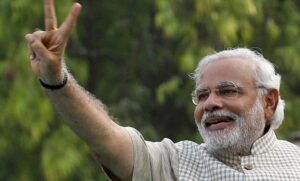
The 2014 general elections marked a historic turning point. Under Narendra Modi’s leadership, the BJP secured a clear majority—the first by any party in three decades. Modi’s campaign emphasized:
- Development (Sabka Sath, Sabka Vikas, Ache Din Aane Wale Hain)
- Strong leadership
- Anti-corruption narrative
- Aspirational politics
His personal charisma and governance record in Gujarat played a decisive role.
Achievements of Modi’s First Term (2014–2019)
Major initiatives included:
- Swachh Bharat Mission
- Pradhan Mantri Jan Dhan Yojana
- Demonetisation in India 2016
- Implementation of Goods and Services Tax
- Expansion of digital governance and infrastructure
- Strengthening national security posture
Second Term: Victory and Achievements
In 2019, the BJP returned with an even larger mandate. Key actions included:
- Abrogation of Article 370 in Jammu & Kashmir
- Citizenship Amendment Act (CAA)
- COVID-19 management and vaccination drive
- Infrastructure expansion (roads, railways, digital)
- Push for self-reliance (Atmanirbhar Bharat)
The government also focused on welfare delivery through direct benefit transfers.
BJP in Today’s National Politics
Today, the BJP stands as the dominant political force in India, with:
- Strong central leadership
- Extensive organizational network
- Presence across most states
- Ideological clarity combined with governance focus
It has successfully expanded beyond its traditional northern base into eastern and north-eastern India.
Future of BJP in Mainstream Politics
The future trajectory of the BJP will depend on several factors:
- Ability to balance ideology with governance
- Managing economic challenges and employment
- Sustaining electoral dominance amid rising opposition unity
- Leadership transition and cadre strength
- Adapting to changing voter aspirations, especially youth
Given its current position, the BJP is likely to remain a central player in Indian politics for the foreseeable future. However, as history shows—from its fall to two seats in 1984 to its current dominance—its journey will continue to be shaped by both internal evolution and external political dynamics.
Conclusion
From the ideological foundations laid by Syama Prasad Mookerjee and Deendayal Upadhyaya to the mass political consolidation under Vajpayee and Modi, the BJP’s journey reflects resilience, adaptability, and strategic evolution.
On its Foundation Day, the party stands not just as a political organization but as a defining force in shaping contemporary India—its policies, its politics, and its place in the global order.
ਭਾਰਤੀ ਰਾਜਨੀਤੀ ਵਿੱਚ ਭਾਜਪਾ ਦਾ ਸਫ਼ਰ ਵਿਲੱਖਣ ਅਤੇ ਪ੍ਰੇਰਣਾਦਾਇਕ ਰਿਹਾ ਹੈ।
ਜੈਬੰਸ ਸਿੰਘ
6 ਅਪ੍ਰੈਲ ਨੂੰ ਮਨਾਇਆ ਜਾਣ ਵਾਲਾ ਇਸ ਦਾ ਸਥਾਪਨਾ ਦਿਵਸ ਸਿਰਫ਼ ਇੱਕ ਰਸਮੀ ਮੌਕਾ ਨਹੀਂ, ਸਗੋਂ ਇੱਕ ਲੰਬੀ ਵਿਚਾਰਧਾਰਕ ਅਤੇ ਰਾਜਨੀਤਿਕ ਯਾਤਰਾ ਦਾ ਪ੍ਰਤੀਕ ਹੈ।
ਜਨ ਸੰਘ ਦੀ ਸਥਾਪਨਾ
ਭਾਜਪਾ ਦੀਆਂ ਜੜ੍ਹਾਂ 1951 ਵਿੱਚ ਬਣੇ Bharatiya Jana Sangh ਨਾਲ ਜੁੜੀਆਂ ਹੋਈਆਂ ਹਨ। ਇਸ ਦੀ ਸਥਾਪਨਾ Syama Prasad Mookerjee ਨੇ ਕੀਤੀ ਸੀ।
ਮੁਖਰਜੀ ਨੇ 8 ਅਪ੍ਰੈਲ 1950 ਨੂੰ ਨਹਿਰੂ ਅਤੇ ਪਾਕਿਸਤਾਨੀ ਪ੍ਰਧਾਨ ਮੰਤਰੀ ਲਿਆਕਤ ਅਲੀ ਖਾਨ ਵਿਚਕਾਰ ਹੋਏ ਸਮਝੌਤੇ ਬਾਰੇ ਅਸਹਿਮਤੀ ਦੇ ਕਾਰਨ ਕੇਂਦਰੀ ਮੰਤਰੀ ਮੰਡਲ ਤੋਂ ਅਸਤੀਫਾ ਦੇ ਦਿੱਤਾ ਸੀ ਜਿਸ ਨੇ ਦੋਵਾਂ ਦੇਸ਼ਾਂ ਵਿੱਚ ਘੱਟ ਗਿਣਤੀ ਕਮਿਸ਼ਨਾਂ ਦੀ ਸਥਾਪਨਾ ਅਤੇ ਘੱਟ ਗਿਣਤੀ ਦੇ ਅਧਿਕਾਰਾਂ ਦੀ ਗਾਰੰਟੀ ਦੀ ਸਹੂਲਤ ਦਿੱਤੀ ਸੀ। ਉਹ ਮੰਨਦਾ ਸੀ ਕਿ ਇਸ ਨੇ ਪੂਰਬੀ ਬੰਗਾਲ ਦੇ ਹਿੰਦੂਆਂ ਨੂੰ ਪਾਕਿਸਤਾਨ ਦੇ ਰਹਿਮੋ-ਕਰਮ ‘ਤੇ ਛੱਡ ਦਿੱਤਾ ਹੈ। ਮੁਖਰਜੀ ਜੰਮੂ-ਕਸ਼ਮੀਰ ਨੂੰ ਵਿਸ਼ੇਸ਼ ਦਰਜਾ ਦੇਣ ਵਾਲੀ ਧਾਰਾ 370 ਨੂੰ ਖਤਮ ਕਰਨ ਦੇ ਵੀ ਖਿਲਾਫ ਸਨ। ਉਸ ਨੇ ਸੰਸਦ ਦੇ ਅੰਦਰ ਅਤੇ ਬਾਹਰ ਇਸ ਵਿਰੁੱਧ ਲੜਾਈ ਲੜੀ। ਭਾਰਤੀ ਜਨਸੰਘ ਦਾ ਇੱਕ ਟੀਚਾ ਇਸ ਨੂੰ ਖਤਮ ਕਰਨਾ ਹੈ।
ਇਹ ਪਾਰਟੀ Rashtriya Swayamsevak Sangh (ਆਰ.ਐੱਸ.ਐੱਸ.) ਦੀ ਵਿਚਾਰਧਾਰਕ ਪ੍ਰੇਰਣਾ ਨਾਲ ਬਣੀ ਸੀ ਅਤੇ ਇਸਦਾ ਮੁੱਖ ਉਦੇਸ਼ ਰਾਸ਼ਟਰਵਾਦ, ਸੱਭਿਆਚਾਰਕ ਇਕਤਾ ਅਤੇ ਆਤਮਨਿਰਭਰਤਾ ਨੂੰ ਮਜ਼ਬੂਤ ਕਰਨਾ ਸੀ। Deendayal Upadhyaya ਨੇ “ਇੰਟੀਗਰਲ ਹਿਊਮੈਨਿਜ਼ਮ” ਦੀ ਵਿਚਾਰਧਾਰਾ ਦਿੱਤੀ ਜੋ ਅੱਜ ਵੀ ਭਾਜਪਾ ਦੀ ਨੀਤੀ ਦਾ ਅਧਾਰ ਹੈ।
ਜਨ ਸੰਘ ਤੋਂ ਭਾਜਪਾ ਬਣਾਉਣ ਦੀ ਲੋੜ
1975–77 ਦੇ Indian Emergency ਨੇ ਭਾਰਤੀ ਰਾਜਨੀਤੀ ਨੂੰ ਬਦਲ ਕੇ ਰੱਖ ਦਿੱਤਾ। ਇਸ ਦੌਰਾਨ Indira Gandhi ਦੀ ਸਰਕਾਰ ਦੇ ਖਿਲਾਫ਼ ਵਿਰੋਧੀ ਧਿਰ ਇਕੱਠੀ ਹੋਈ। ਭਾਰਤੀ ਜਨ ਸੰਘ 1977 ਵਿਚ ਜਨਤਾ ਪਾਰਟੀ ਵਿਚ ਇਸ ਦੇ ਗਠਨ ‘ਤੇ ਸ਼ਾਮਲ ਹੋ ਗਿਆ। ਜਨਤਾ ਪਾਰਟੀ ਵਿਭਿੰਨ ਰਾਜਨੀਤਿਕ ਸਮੂਹਾਂ ਦਾ ਇਕ ਕਮਜ਼ੋਰ ਗੱਠਜੋੜ ਸਾਬਤ ਹੋਈ। 1979 ਵਿੱਚ ਮੋਰਾਰਜੀ ਦੇਸਾਈ ਸਰਕਾਰ ਦੇ ਪਤਨ ਅਤੇ 1980 ਦੀਆਂ ਚੋਣਾਂ ਵਿੱਚ ਮਾੜੀ ਕਾਰਗੁਜ਼ਾਰੀ ਤੋਂ ਬਾਅਦ, ਗੱਠਜੋੜ ਹੋਰ ਅਸਥਿਰ ਹੋ ਗਿਆ। ਚੋਣ ਹਾਰ ਤੋਂ ਬਾਅਦ, ਜਨਤਾ ਪਾਰਟੀ ਦੀ ਰਾਸ਼ਟਰੀ ਕਾਰਜਕਾਰਨੀ ਨੇ, 4 ਅਪ੍ਰੈਲ, 1980 ਨੂੰ, ਰਸਮੀ ਤੌਰ ‘ਤੇ ਇਸਦੇ ਮੈਂਬਰਾਂ ਨੂੰ ਆਰਐਸਐਸ ਨਾਲ ਦੋਹਰੀ ਮੈਂਬਰਸ਼ਿਪ ਬਣਾਈ ਰੱਖਣ ‘ਤੇ ਪਾਬੰਦੀ ਲਗਾ ਦਿੱਤੀ। 6 ਅਪ੍ਰੈਲ 1980 ਨੂੰ ਸਾਬਕਾ ਜਨਸੰਘ ਨੇਤਾਵਾਂ, ਜਿਨ੍ਹਾਂ ਵਿਚ ਅਟਲ ਬਿਹਾਰੀ ਵਾਜਪਾਈ ਅਤੇ ਐਲ.ਕੇ. ਅਡਵਾਨੀ ਨੇ ਨਵੀਂ ਦਿੱਲੀ ਦੇ ਫਿਰੋਜ਼ਸ਼ਾਹ ਕੋਟਲਾ ਮੈਦਾਨ ਵਿੱਚ ਮੁਲਾਕਾਤ ਕੀਤੀ। ਉਨ੍ਹਾਂ ਨੇ ਸੰਕਲਪ ਲਿਆ ਕਿ ਉਹ ਆਰਐਸਐਸ ਨਾਲੋਂ ਨਾਤਾ ਨਹੀਂ ਤੋੜਨਗੇ, ਜਿਸ ਕਾਰਨ ਜਨਤਾ ਪਾਰਟੀ ਛੱਡਣ ਦਾ ਫੈਸਲਾ ਕੀਤਾ ਗਿਆ।
ਸਥਾਪਨਾ ਅਤੇ ਪਹਿਲਾ ਸੰਦੇਸ਼
6 ਅਪ੍ਰੈਲ 1980 ਨੂੰ ਭਾਜਪਾ ਦੀ ਸਥਾਪਨਾ ਹੋਈ ਅਤੇ Atal Bihari Vajpayee ਇਸ ਦੇ ਪਹਿਲੇ ਪ੍ਰਧਾਨ ਬਣੇ।
ਉਨ੍ਹਾਂ ਨੇ “ਗਾਂਧੀਵਾਦੀ ਸਮਾਜਵਾਦ” ਦਾ ਨਾਰਾ ਦਿੱਤਾ ਅਤੇ ਕਿਹਾ ਕਿ ਪਾਰਟੀ ਲੋਕਤੰਤਰ, ਸਮਾਜਿਕ ਨਿਆਂ ਅਤੇ ਰਾਸ਼ਟਰੀ ਏਕਤਾ ਲਈ ਕੰਮ ਕਰੇਗੀ।
ਪਹਿਲੇ ਪੰਜ ਸਾਲ ਅਤੇ ਆਰ.ਐੱਸ.ਐੱਸ. ਨਾਲ ਸੰਬੰਧ
ਸ਼ੁਰੂਆਤੀ ਦੌਰ ਵਿੱਚ ਭਾਜਪਾ ਨੂੰ ਚੋਣੀ ਸਫਲਤਾ ਨਹੀਂ ਮਿਲੀ, ਪਰ ਆਰ.ਐੱਸ.ਐੱਸ. ਦੇ ਮਜ਼ਬੂਤ ਕੈਡਰ ਨੇ ਪਾਰਟੀ ਨੂੰ ਜ਼ਮੀਨੀ ਪੱਧਰ ‘ਤੇ ਮਜ਼ਬੂਤ ਕੀਤਾ।
ਤਿੰਨ ਸੀਟਾਂ ਤੱਕ ਘਟਣਾ
1984 ਦੀਆਂ ਚੋਣਾਂ ਵਿੱਚ, ਇੰਦਿਰਾ ਗਾਂਧੀ ਦੀ ਹੱਤਿਆ ਤੋਂ ਬਾਅਦ, ਕਾਂਗਰਸ ਨੂੰ ਭਾਰੀ ਬਹੁਮਤ ਮਿਲਿਆ ਅਤੇ ਭਾਜਪਾ ਸਿਰਫ਼ 2 ਸੀਟਾਂ ਤੱਕ ਸਿਮਟ ਗਈ। ਇਹ ਪਾਰਟੀ ਲਈ ਸਭ ਤੋਂ ਵੱਡਾ ਝਟਕਾ ਸੀ।
ਦੁਬਾਰਾ ਉਭਾਰ ਦੇ ਕਾਰਨ
ਭਾਜਪਾ ਦਾ ਉਭਾਰ ਕਈ ਕਾਰਨਾਂ ਨਾਲ ਸੰਭਵ ਹੋਇਆ:
- Lal Krishna Advani ਦੀ ਅਗਵਾਈ
- Ram Janmabhoomi movement
- ਹਿੰਦੂ ਵੋਟਰਾਂ ਦੀ ਇੱਕਜੁੱਟਤਾ
ਵਾਜਪੇਈ ਦੀ ਪਹਿਲੀ ਸਰਕਾਰ
1996 ਵਿੱਚ, ਅਟਲ ਬਿਹਾਰੀ ਵਾਜਪਾਈ ਪਹਿਲੀ ਵਾਰ ਭਾਜਪਾ ਸਰਕਾਰ ਦੀ ਅਗਵਾਈ ਕਰਦੇ ਹੋਏ ਪ੍ਰਧਾਨ ਮੰਤਰੀ ਬਣੇ। ਹਾਲਾਂਕਿ ਬਹੁਮਤ ਨਾ ਹੋਣ ਕਾਰਨ ਸਰਕਾਰ ਸਿਰਫ਼ 13 ਦਿਨ ਹੀ ਚੱਲ ਸਕੀ। ਏਆਈਏਡੀਐਮਕੇ (ਜੇ. ਜੈਲਲਿਤਾ ਦੀ ਅਗਵਾਈ ਵਾਲੀ) ਨੇ ਸਮਰਥਨ ਵਾਪਸ ਲੈ ਲਿਆ ਅਤੇ ਬਸਪਾ ਦੀ ਮਾਇਆਵਤੀ ਨੇ ਸੰਤੁਲਨ ਨੂੰ ਝੁਕਾਉਂਦੇ ਹੋਏ, ਸਰਕਾਰ ਦੇ ਵਿਰੁੱਧ ਵੋਟ ਦਿੱਤੀ ਤਾਂ ਸਰਕਾਰ ਡਿੱਗ ਗਈ। ਲੋੜੀਂਦਾ ਸਮਰਥਨ ਪ੍ਰਾਪਤ ਕਰਨ ਵਿੱਚ ਅਸਮਰੱਥ, ਵਾਜਪਾਈ ਨੇ ਸੰਸਦ ਵਿੱਚ ਭਰੋਸੇ ਦਾ ਵੋਟ ਗੁਆਉਣ ਤੋਂ ਬਾਅਦ ਅਸਤੀਫਾ ਦੇ ਦਿੱਤਾ। ਇਸ ਐਪੀਸੋਡ ਨੇ ਉਸ ਸਮੇਂ ਦੀਆਂ ਭਾਜਪਾ ਦੀਆਂ ਸੀਮਾਵਾਂ ਅਤੇ ਲੋਕਤੰਤਰੀ ਪ੍ਰਕਿਰਿਆਵਾਂ ਪ੍ਰਤੀ ਉਸਦੀ ਵਚਨਬੱਧਤਾ ਦੋਵਾਂ ਦਾ ਪ੍ਰਦਰਸ਼ਨ ਕੀਤਾ।
ਇਸ ਦੀ ਸੰਖੇਪਤਾ ਦੇ ਬਾਵਜੂਦ, ਵਾਜਪਾਈ ਦੇ ਆਚਰਣ, ਜਿਸ ਵਿਚ ਸੰਸਦੀ ਨਿਯਮਾਂ ਲਈ ਮਾਣ ਅਤੇ ਸਤਿਕਾਰ ਸੀ, ਨੇ ਇਕ ਸ਼ਾਸਕ ਪਾਰਟੀ ਵਜੋਂ ਭਾਜਪਾ ਦੀ ਭਰੋਸੇਯੋਗਤਾ ਨੂੰ ਵਧਾਇਆ।
ਨਵੀਆਂ ਚੋਣਾਂ ਤੋਂ ਬਾਅਦ ਨਵੀਂ ਸਰਕਾਰ ਬਣਨ ਤੱਕ ਵਾਜਪਾਈ ਨੇ ਕਾਰਜਕਾਰੀ ਪ੍ਰਧਾਨ ਮੰਤਰੀ ਵਜੋਂ ਕੰਮ ਕੀਤਾ।8. ਵਿਸ਼ਵਾਸ ਮਤ ਹਾਰਨਾ
ਸੰਖਿਆ ਦੀ ਘਾਟ ਕਾਰਨ ਉਹ ਵਿਸ਼ਵਾਸ ਮਤ ਨਹੀਂ ਜਿੱਤ ਸਕੇ ਅਤੇ ਅਸਤੀਫਾ ਦੇ ਦਿੱਤਾ।
ਮੁੜ ਸਰਕਾਰ ਬਣਾਉਣਾ
1998 ਵਿੱਚ ਭਾਜਪਾ ਨੇ National Democratic Alliance (ਐਨ.ਡੀ.ਏ.) ਦੇ ਨਾਲ ਮਿਲ ਕੇ ਸਰਕਾਰ ਬਣਾਈ।
ਗਠਜੋੜ ਧਰਮ
ਵਾਜਪੇਈ ਜੀ ਨੇ “ਕੋਅਲੀਸ਼ਨ ਧਰਮ” ਨੂੰ ਨਿਭਾਉਂਦੇ ਹੋਏ ਸਾਰੇ ਸਾਥੀਆਂ ਨੂੰ ਨਾਲ ਲੈ ਕੇ ਚਲਿਆ।
ਵਾਜਪੇਈ ਦੌਰ ਦੀਆਂ ਪ੍ਰਾਪਤੀਆਂ
- Pokhran-II ਪਰਮਾਣੂ ਪਰਖ
- ਗੋਲਡਨ ਕਵਾਡ੍ਰਿਲੈਟਰਲ ਪ੍ਰੋਜੈਕਟ
- ਟੈਲੀਕਾਮ ਕ੍ਰਾਂਤੀ
- ਆਰਥਿਕ ਸੁਧਾਰ
- ਪਾਕਿਸਤਾਨ ਨਾਲ ਸ਼ਾਂਤੀ ਯਤਨ
- ਕਾਰਗਿਲ ਦੀ ਜਿੱਤ
ਵਿਰੋਧੀ ਪਾਰਟੀ ਵਜੋਂ ਭੂਮਿਕਾ (2004–2014)
ਭਾਜਪਾ ਨੇ ਇਸ ਦੌਰ ਵਿੱਚ ਆਪਣੇ ਆਪ ਨੂੰ ਮਜ਼ਬੂਤ ਕੀਤਾ ਅਤੇ ਨਵੇਂ ਨੇਤ੍ਰਿਤਵ ਨੂੰ ਉਭਾਰਿਆ
- ਰਾਜ-ਪੱਧਰ ਦੀ ਮੌਜੂਦਗੀ ਨੂੰ ਮਜ਼ਬੂਤ ਕੀਤਾ ਗਿਆ
- ਭ੍ਰਿਸ਼ਟਾਚਾਰ ਅਤੇ ਸ਼ਾਸਨ ਬਾਰੇ ਯੂਪੀਏ ਸਰਕਾਰ ਦੀਆਂ ਨੀਤੀਆਂ ਦੀ ਆਲੋਚਨਾ ਕੀਤੀ
- ਰਾਸ਼ਟਰੀ ਵਾਪਸੀ ਲਈ ਤਿਆਰ
ਜਿਸ ਵਿੱਚ Narendra Modi ਮਹੱਤਵਪੂਰਨ ਸਨ।
2014 ਦੀ ਇਤਿਹਾਸਕ ਜਿੱਤ
2014 ਵਿੱਚ ਨਰਿੰਦਰ ਮੋਦੀ ਦੀ ਅਗਵਾਈ ਹੇਠ ਭਾਜਪਾ ਨੇ ਪੂਰਨ ਬਹੁਮਤ ਹਾਸਲ ਕੀਤਾ।
- ਵਿਕਾਸ (ਸਬਕਾ ਸਾਥ, ਸਬਕਾ ਵਿਕਾਸ, ਚੰਗੇ ਦਿਨ ਆਨੇ ਵਾਲੇ ਹੈ)
- ਮਜ਼ਬੂਤ ਲੀਡਰਸ਼ਿਪ
- ਭ੍ਰਿਸ਼ਟਾਚਾਰ ਵਿਰੋਧੀ ਬਿਰਤਾਂਤ
- ਅਭਿਲਾਸ਼ੀ ਰਾਜਨੀਤੀ
ਪਹਿਲਾ ਕਾਰਜਕਾਲ (2014–2019)
- Pradhan Mantri Jan Dhan Yojana
- Swachh Bharat Mission
- Demonetisation in India 2016
- Goods and Services Tax
ਦੂਜਾ ਕਾਰਜਕਾਲ
- ਆਰਟੀਕਲ 370 ਦਾ ਖ਼ਾਤਮਾ
- ਸੀਏਏ ਕਾਨੂੰਨ
- ਕੋਵਿਡ ਪ੍ਰਬੰਧਨ
- ਆਤਮਨਿਰਭਰ ਭਾਰਤ ਮੁਹਿੰਮ
ਅੱਜ ਦੀ ਸਥਿਤੀ
ਭਾਜਪਾ ਅੱਜ ਭਾਰਤ ਦੀ ਸਭ ਤੋਂ ਵੱਡੀ ਅਤੇ ਪ੍ਰਭਾਵਸ਼ਾਲੀ ਪਾਰਟੀ ਹੈ, ਜਿਸਦੀ ਪਹੁੰਚ ਦੇਸ਼ ਭਰ ਵਿੱਚ ਹੈ।
ਭਵਿੱਖ I ਭਾਜਪਾ ਦਾ ਭਵਿੱਖ ਇਸ ਗੱਲ ‘ਤੇ ਨਿਰਭਰ ਕਰੇਗਾ ਕਿ:
- ਉਹ ਆਰਥਿਕ ਚੁਣੌਤੀਆਂ ਨੂੰ ਕਿਵੇਂ ਸੰਭਾਲਦੀ ਹੈ
- ਨੌਜਵਾਨਾਂ ਦੀਆਂ ਉਮੀਦਾਂ ‘ਤੇ ਕਿਵੇਂ ਖਰੀ ਉਤਰਦੀ ਹੈ
- ਵਿਰੋਧੀ ਧਿਰ ਨਾਲ ਮੁਕਾਬਲਾ ਕਿਵੇਂ ਕਰਦੀ ਹੈ
ਨਿਸਕਰਸ਼
ਜਨ ਸੰਘ ਤੋਂ ਲੈ ਕੇ ਅੱਜ ਦੀ ਭਾਜਪਾ ਤੱਕ ਦਾ ਸਫ਼ਰ ਇੱਕ ਲੰਬੀ ਸੰਘਰਸ਼ ਅਤੇ ਵਿਕਾਸ ਦੀ ਕਹਾਣੀ ਹੈ। ਇਹ ਸਿਰਫ਼ ਇੱਕ ਪਾਰਟੀ ਦੀ ਕਹਾਣੀ ਨਹੀਂ, ਸਗੋਂ ਭਾਰਤੀ ਲੋਕਤੰਤਰ ਦੇ ਵਿਕਾਸ ਦਾ ਵੀ ਦਰਪਣ ਹੈ।